The End of Sticky Notes, Spreadsheets, and Constant Follow-Ups: How Smart Dashboards Help Teams Get More Done

For as long as organizations have existed, leaders have faced the same challenge:
How do you ensure important tasks get completed without constantly reminding people?
Whether you’re managing a healthcare team, a dental practice, a long-term care home, or a growing business, keeping track of responsibilities can feel like a full-time job. Tasks get buried in email inboxes. Follow-ups are forgotten. Deadlines slip. Managers spend valuable time checking in, chasing updates, and trying to determine what has—or hasn’t been completed.
The result is frustration for everyone involved.
The problem isn’t that people don’t care. The problem is that most organizations don’t have a system that makes accountability easy.
Why Micromanagement Happens
Most leaders don’t want to micromanage.
Yet many find themselves constantly asking questions like:
- Has that policy been reviewed?
- Did the training get completed?
- Who is responsible for that action item?
- Has the audit been submitted?
- Are we on track to meet our deadline?
When information is scattered across emails, spreadsheets, notebooks, and conversations, leaders often feel they have no choice but to follow up repeatedly.
Micromanagement is often a symptom of poor visibility—not poor leadership.
The Power of a Centralized Dashboard
Change is most effective when stakeholders understand the “why” behind it.
A modern dashboard changes the conversation.
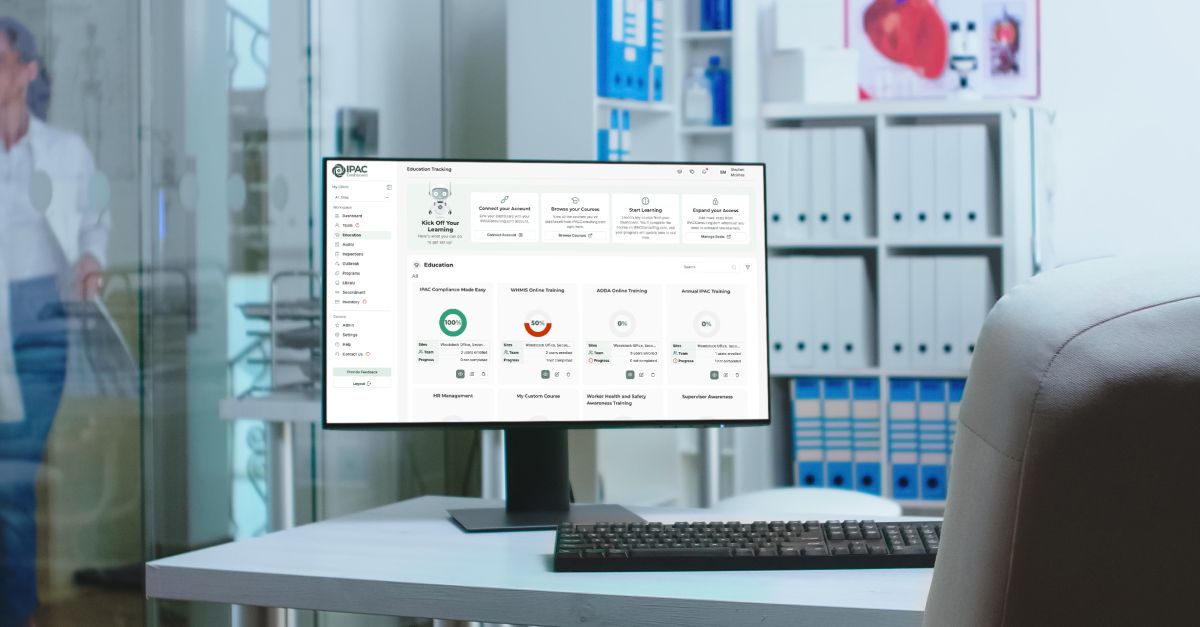
Instead of relying on memory, manual tracking, or endless email chains, organizations gain a centralized view of responsibilities, progress, deadlines, and completion status.
Everyone knows:
- What needs to be done
- Who owns the task
- When it is due
- What has already been completed
- What requires attention
When expectations are visible, accountability becomes easier.
Automation Removes Administrative Burden
Consistency is essential for effective UTI prevention and antimicrobial stewardship.
One of the biggest advantages of a modern dashboard is automation.
Instead of managers spending hours sending reminders, tracking deadlines, and updating spreadsheets, automated workflows handle many of these routine tasks.
Automation can:
- Assign tasks automatically
- Trigger reminders before deadlines
- Escalate overdue items
- Notify team members of required actions
- Generate reports on completion rates
- Provide real-time visibility into progress
This allows leaders to focus on coaching, problem-solving, and strategic priorities rather than administrative follow-up.
Better Task Management Creates Better Outcomes
Improvement must be measured to be sustained.
Task management isn’t simply about checking boxes.
It’s about ensuring critical work gets completed consistently.
Whether the task involves:
- Staff education
- Policy reviews
- Quality improvement initiatives
- Infection prevention activities
- Compliance requirements
- Equipment maintenance
- Operational projects
A structured system ensures nothing falls through the cracks.
When tasks are organized and visible, teams spend less time figuring out what to do and more time doing the work.
Reducing the Need for Micromanagement
Improvement must be measured to be sustained.
One of the most significant benefits organizations experience is a reduction in micromanagement.
Leaders no longer need to ask for constant updates because the dashboard provides real-time visibility.
Instead of:
“Did you finish that?”
Leaders can see progress instantly.
Instead of:
“Can you send me an update?”
The information is already available.
This creates a healthier workplace culture built on trust, transparency, and accountability.
Employees feel empowered because expectations are clear. Managers feel confident because they have visibility without needing to constantly intervene.
Building a Culture of Accountability
Improvement must be measured to be sustained.
Accountability shouldn’t depend on memory, spreadsheets, or repeated reminders.
It should be built into the way work happens.
A dashboard supported by automation and task management creates a system where responsibilities are clear, progress is visible, and important work stays on track.
The result?
- Fewer missed deadlines.
- Less administrative burden.
- More efficient teams.
- Stronger accountability.
And leaders who can spend less time managing tasks and more time leading people.
Because the goal isn’t to work harder.
It’s to create systems that help everyone work smarter.
Final Thoughts
The way teams work has changed, but many organizations are still relying on outdated methods like spreadsheets, sticky notes, and constant follow-ups to manage accountability.
These methods don’t just slow things down, they also create unnecessary pressure on leaders and confusion for teams.
A smart dashboard brings everything into one place, making work visible, organized, and easier to manage without constant checking in. When people can clearly see what needs to be done and where things stand, everything runs smoother.
At the end of the day, better systems don’t replace good leadership, they support it.
Bring Clarity and Control with the IPAC Dashboard
If your team is still relying on spreadsheets, emails, and constant follow-ups, the IPAC Dashboard is designed to change that. It brings everything into one place, giving you real-time visibility into tasks, responsibilities, and progress without the chaos. Instead of chasing updates, you get a clear, organized system that helps your team stay accountable and keeps important work on track.
If you’re ready to streamline operations and reduce the daily administrative burden, the IPAC Dashboard is built for exactly that.