From Audit Findings to Action: Why Gap Management Matters

Audits are an important part of any strong compliance program. Whether they are completed internally by your own team or externally by a third-party consultant, audits help identify what is working, what needs attention, and where risks may exist.
However, the audit itself is only the beginning.
The real value comes from what happens after the audit is completed.
A completed audit may identify missing documentation, overdue training, incomplete policies, gaps in practice, environmental concerns, or areas where staff need additional support. Without a clear follow-up process, those findings can easily sit in a report, be briefly discussed at a meeting, and then become difficult to track over time.
This is where many organizations struggle.
It is not because they do not care about compliance. It is because managing corrective actions across multiple findings, departments, locations, and deadlines can quickly become overwhelming.
The Challenge With Audit Follow-Up
After an audit, teams are often left trying to answer several important questions.
They need to know who is responsible for each corrective action. They need to understand what should be completed first, which items are high priority, and when each task is due. They also need a way to confirm whether the task has actually been completed and how progress can be demonstrated to leadership, inspectors, or external partners.
When there is no centralized system for managing these next steps, accountability can become unclear.
Tasks may be tracked through emails, spreadsheets, meeting notes, or individual reminders. Over time, this can lead to duplication, missed deadlines, inconsistent follow-up, and difficulty proving that meaningful action was taken.
For organizations managing infection prevention and control, health and safety, or regulatory compliance, this creates unnecessary risk.
An Audit Should Lead to a Clear Action Plan
Change is most effective when stakeholders understand the “why” behind it.
A strong audit process should not end with a list of findings.
It should lead to a structured gap analysis and action plan that helps the team clearly understand:
- What the gap is
- Why it matters
- Who owns the next step
- When it needs to be completed
- What evidence is needed
- Whether the issue has been resolved
This type of follow-up process helps move organizations from simply identifying gaps to actively closing them.
It also supports stronger communication between leadership, managers, front-line teams, and external consultants. When everyone can see what needs to happen, who is responsible, and where progress is being made, the path forward becomes much clearer.
Why Accountability Matters
Consistency is essential for effective UTI prevention and antimicrobial stewardship.
Corrective actions are most successful when they are assigned, time-bound, and visible.
When a gap is linked to a specific task, owner, and due date, it becomes much easier to follow through. Leadership can monitor progress, teams can prioritize their workload, consultants can provide targeted support, and inspectors can see that the organization is not only identifying issues, but actively addressing them.
This is especially important in settings where compliance responsibilities are shared across multiple departments.
Infection prevention and control, health and safety, human resources, operations, education, maintenance, and leadership may all play a role in closing different types of gaps. Without a clear system, even simple corrective actions can get lost. With a clear system, the next step becomes easier to manage and easier to demonstrate.
Gap Management Supports Continuous Improvement
Improvement must be measured to be sustained.
Gap management is not just about fixing problems.
It is about building a culture of continuous improvement.
When audit findings are connected to clear next steps, organizations can begin to identify patterns over time. They can see which gaps keep recurring, where additional training may be needed, which departments need more support, and whether corrective actions are actually improving practice.
This turns audits from one-time events into ongoing improvement tools.
Instead of only asking whether the audit was completed, teams can begin asking what was learned, what changed, and how the organization is getting better.
Final Thoughts
Audits are valuable, but they are only as strong as the follow-up that comes after them.
A clear gap analysis and task management process helps organizations move from findings to action, from action to accountability, and from accountability to improvement.
When teams have a structured way to assign tasks, set due dates, monitor progress, and close the loop, compliance becomes easier to manage and easier to demonstrate.
The goal is not just to know where the gaps are.
The goal is to close them.
Ready to Close the Loop on Audit Findings?
Identifying gaps is only the first step. The real challenge is ensuring corrective actions are assigned, tracked, completed, and documented.
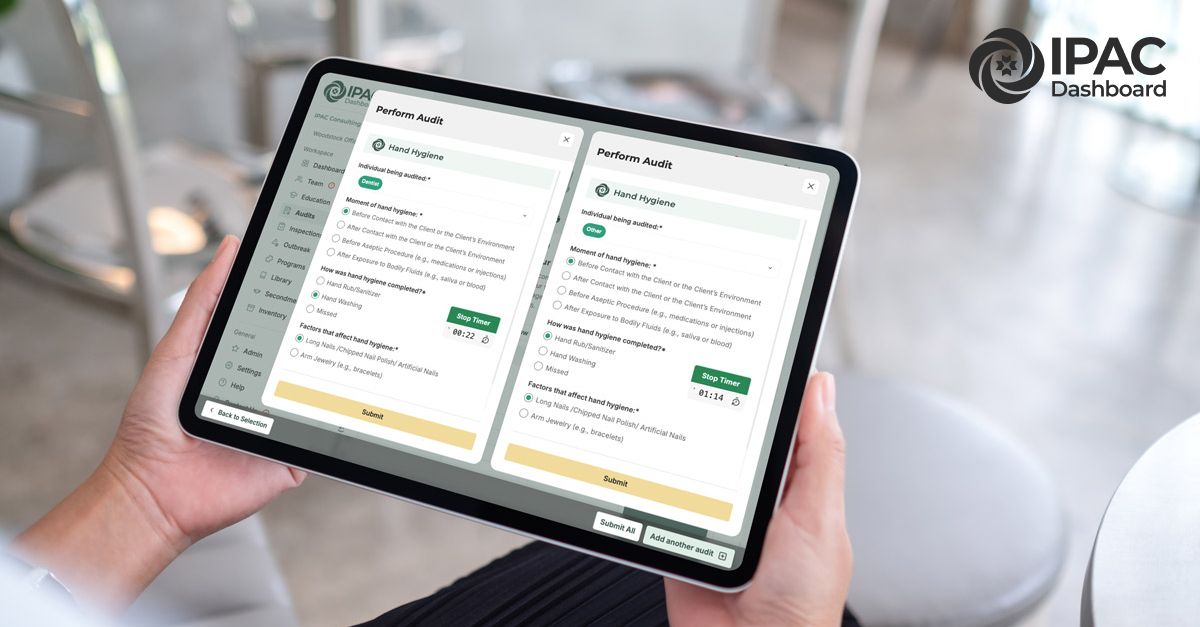
The IPAC Dashboard helps organizations transform audit findings into actionable improvement plans by providing a centralized system for gap management, task assignment, progress tracking, and accountability. With clear visibility into outstanding actions and deadlines, teams can demonstrate compliance more effectively while supporting continuous improvement across the organization.