

Enhancing Staff Readiness and Compliance Through Education
By: Jacob Whittock
Outbreaks in LTC facilities pose significant* risks, given the vulnerability of residents and the high rates of comorbidities. Recent seasonal influenza and other NCRV outbreaks have highlighted the importance of staff readiness and compliance with infection prevention and control best practices to minimize transmission, maintain safety, and reassure residents and families. LTC facilities can foster trust, promote adherence to protocols, and improve outcomes by prioritizing outbreak education amongst staff, residents and families. Educating staff is a requirement under the Fixing Long-Term Care Act, 2021, but the content and timing of this education can make all the difference.
Training programs focusing on straightforward, jargon-free language eliminate confusion and foster better comprehension of policies, safety protocols, and resident care requirements. Studies have found that an increase of 20% in hand hygiene rates, done through targeted education and availability, was found to reduce the prevalence of healthcare-acquired infections (HAI’s) by 40%*.
Clear communication makes staff members feel more engaged and empowered, which reduces errors and enhances compliance. Additionally, open lines of communication allow for questions and feedback, creating a supportive learning environment. By prioritizing clear, accessible training, long-term care facilities can strengthen staff readiness and consistency, ultimately improving the quality of care provided to residents.
Timely training can act to introduce new best practices in infection prevention and control and fill any potential gaps in knowledge. In my experience, staff are eager to participate in educational sessions, especially when presented before respiratory outbreak season. Implementing a comprehensive hand hygiene program has been found to translate to 22 fewer deaths and cost savings of approximately 5 million dollars rates over 17 months**. Staff are all aware of how stressful an outbreak can be and want to be part of the solution. Through timely education, staff are given the knowledge and gain the confidence to trust in their training, bring up any concerns, as well as escalate issues that might arise.
Incorporating updated guidelines and industry best practices into training materials keeps education relevant and staff informed about emerging risks, such as the newest COVID-19 Variant XEC, and improves prevention measures. Additionally, recognizing and rewarding improvements fosters a positive culture, motivating teams to stay vigilant and engaged. By establishing a cycle of assessment, feedback, and adaptation, LTC facilities can enhance both staff competency and safety, ultimately reducing the risk of outbreaks and building resilience across the organization.
Supporting a culture of safety and accountability in facilities is essential for effective infection prevention. Leadership sets the tone by prioritizing safety, modelling proper practices, and fostering transparency. Infection prevention and control teams can only speak to best practices so much before they get diminishing returns, but timely education can act to reinforce these same principles to staff in a different environment. Clear, enforced protocols make expectations consistent, while non-punitive reporting systems encourage staff to speak up about risks or lapses without fear. Team-based goals and peer support promote mutual accountability, helping staff feel empowered to remind one another of safety practices. By continually learning from incidents and staying adaptable to new infection control guidelines, LTC facilities create a proactive environment where safety and accountability are ingrained.
* McGeer, A. “Hand Hygiene by Habit”. Infection prevention: practical tips for physicians to improve hand hygiene. Ontario Medical Review, November 2007, 74.
** Sickbert-Bennett, E. E., DiBiase, L. M., Willis, T. M., Wolak, E. S., Weber, D. J., & Rutala, W. A. (2016). Reduction of Healthcare-Associated Infections by Exceeding High Compliance with Hand Hygiene Practices. Emerging Infectious Diseases, 22(9), 1628-1630. https://doi.org/10.3201/eid2209.151440.

Preserving Cultural Heritage in Indigenous Long-Term Care Facilities: A Balancing Act with Infection Control
By: Stephanie Cini
Land Acknowledgement
We acknowledge the traditional custodians of Country across the world and their continuing relationship to culture, community, land, waters, and sky. We honor children born and yet to be, and pay our respects to Elders, past, present, and future.
Infection Control Education: A Vital Piece of the Puzzle
When we first started working on healthcare construction projects, I quickly learned that infection prevention and control (IPAC) education is one of the most overlooked yet essential pieces of the puzzle. Designing a long-term care facility isn’t just about walls and ventilation systems; it’s about understanding the risks lurking in every corner and making sure everyone involved—from builders to care providers—knows how to manage them.
This hit home for me during a project in a remote Indigenous community. We were working on incorporating culturally significant elements into the design, like traditional seal skin furniture and communal spaces for storytelling and drumming. These weren’t just aesthetic choices—they were essential to the community’s identity and well-being. But as beautiful as these elements were, they came with real infection control challenges.
The Balancing Act: Cultural Elements and Safety
I remember sitting down with an elder who shared the importance of maintaining their traditional practices within the facility. He spoke about how gathering spaces, where elders could share stories and teach younger generations, were as vital as the care beds themselves. It was a reminder that healthcare isn’t just about the physical body—it’s about the spirit, too.
But then, I’d shift gears and talk to the infection control team. They’d raise concerns about how these same spaces could become high-risk zones during an outbreak. Communal spaces, shared seating, traditional materials—these could all harbor pathogens if not properly maintained.
That’s where education became the bridge. By bringing everyone together—builders, healthcare staff, and community leaders—we could explore solutions that honored cultural practices while keeping residents safe. We ran training sessions on how to clean and maintain traditional materials without compromising their integrity. We rethought communal spaces with adaptable layouts that could easily transition during an outbreak.
Real-Life Lessons in Risk and Resilience
One moment that sticks with me was during a risk assessment for a seal skin bench. The bench had deep cultural significance, but it also raised questions about how to clean it effectively. Instead of dismissing it outright, we worked with the community to test cleaning methods and develop protocols that would keep it safe.
Seeing the pride in the elders’ eyes when they saw the bench installed was a powerful reminder of why this work matters. It’s not just about infection control checklists—it’s about creating spaces that feel like home, even in the most clinical environments.
Why Infection Control Education is Personal
In my experience, the best outcomes come when everyone feels like they’re part of the solution. I’ve seen construction crews transform their approach after learning how their work directly impacts resident safety. I’ve watched healthcare staff gain confidence in handling outbreaks because they know their facility was designed with infection control in mind.
And it’s not just about the big-picture stuff. It’s about the small wins, too. Like when a team realizes that switching to a non-porous material for countertops makes cleaning easier and faster. Or when someone remembers to seal off a construction zone properly, preventing dust from spreading into patient areas. These are the moments when education turns into action, and action turns into safer spaces.
A Collaborative Approach
One thing I’ve learned is that no single person or team has all the answers. It’s the collaboration—the sharing of knowledge and experiences—that leads to the best solutions. When everyone understands the why behind infection control measures, they’re more likely to embrace them.
That’s why I always emphasize the importance of hands-on learning. Workshops, real-world scenarios, and open conversations are what make these lessons stick. It’s not just about ticking boxes; it’s about creating a culture of safety and respect.
A Call to Action
If there’s one takeaway from my journey, it’s this: Infection control isn’t a barrier—it’s a tool for preserving what matters most. Whether it’s protecting a community’s health or honoring their cultural traditions, education is the key to making it happen.
To my clients and colleagues: let’s keep learning together. Let’s keep asking questions and finding solutions that respect both safety and heritage. Every project is an opportunity to build something that truly serves the people it’s meant for—body, mind, and spirit.

Understanding Accreditation in Cosmetic Surgery: A Guide to Infection Control and Patient Safety through Education and Training
By: Stephanie Cini
Accreditation is more than just a certification for cosmetic surgery clinics; it’s an educational journey and a commitment to safety, quality, and patient care. For clinics in Canada, achieving accreditation involves meeting rigorous standards that ensure the safety of patients and the effectiveness of services. One of the most critical aspects of this process is maintaining high standards in infection prevention and control (IPAC).
Cosmetic surgery is inherently invasive, involving procedures that carry risks for infections. Without robust infection control measures, complications such as surgical site infections (SSIs) or even severe conditions like sepsis can occur. Accreditation ensures clinics implement best practices to prevent these risks, safeguarding patients and enhancing clinical outcomes.
This guide focuses on how education and training in IPAC measures are essential for cosmetic surgery clinics to gain and maintain accreditation, ensuring the safest and most effective care possible.
Why Accreditation Matters: Education as a Tool for Patient Safety
Let’s talk about education—because at the heart of accreditation lies continuous learning and improvement. Obtaining accreditation is more than just ticking boxes; it’s an opportunity to cultivate a culture of excellence. When clinics commit to education and training, they’re making a statement: patient safety is a top priority.
For patients, accreditation is a badge of trust. It tells them, “This clinic has met rigorous standards and puts my safety first.” But trust isn’t built on policies alone—it’s built on the day-to-day practices of your team. This is where education plays a crucial role. Proper training empowers your staff to consistently implement best practices, reducing risks and ensuring the best possible outcomes for your patients.
The Path to Accreditation: A Step-by-Step Training Approach
We get it—accreditation can seem like a daunting task. That’s why we’re here to walk with you every step of the way. Think of us as your educational partners, dedicated to helping your clinic thrive.
We start with a thorough IPAC assessment of your clinic’s current infection control policies and practices. This assessment identifies strengths and areas for improvement, providing a clear roadmap to success. From there, we work closely with your team, offering targeted training and resources to ensure your clinic not only meets but exceeds accreditation standards.
Here’s what our process looks like:
- Conduct an IPAC Assessment
Our team will perform a detailed review of your infection control measures, identifying strengths and areas needing improvement.
- Review and Update Policies
Policies should evolve with the latest guidelines. We’ll help ensure yours are up to date and ready for accreditation.
- Provide Staff Training
Now, let’s get your team on the same page. Through engaging, hands-on training sessions, we’ll equip your staff with the skills they need to excel.
- Implement Audits and Quality Checks
Accreditation isn’t a one-and-done process. We’ll help you put systems in place to monitor and maintain high standards over time.
At IPAC Consulting, we’re not just checking off boxes—we’re building a culture of excellence that your patients will notice and appreciate.
Key Training Areas for Accreditation
Now, let’s dive into some of the essential areas your team will focus on during their training:
1. Sterilization and Instrument Reprocessing
Proper sterilization is the foundation of infection control. We’ll train your team on cleaning, disinfecting, and documenting every step to prevent the transmission of pathogens.
2. Environmental Cleaning and Disinfection
A clean environment is a safe environment. Your staff will learn best practices for disinfecting surgical and patient care areas, minimizing risks of environmental contamination.
3. Staff Competency in IPAC
This is where education really shines. Through regular training on hand hygiene, PPE use, and aseptic techniques, your team will stay sharp and confident. Annual competency assessments ensure everyone is always up to speed with the latest practices.
4. Preoperative and Postoperative Care Education
Infection prevention doesn’t stop when the surgery does. We’ll help your team provide patients with clear, actionable guidance on wound care and recovery, empowering them to take charge of their health.
Empower Your Team with IPAC Education
Accreditation isn’t just a milestone; it’s a reflection of your clinic’s commitment to continuous improvement. By focusing on education and training, you’re not only meeting standards—you’re setting new ones.
So, are you ready to take your clinic to the next level? Let’s get started on this journey together. At IPAC Consulting, we’re here to provide the expert guidance, tailored training, and ongoing support you need to succeed. Together, we’ll ensure your clinic stands out as a leader in safety, quality, and patient care.

Ongoing Reprocessing Competency Education in Dentistry: Ensuring Patient Safety and Compliance with Regulatory Requirements
By: Michael Streicher, BPH, BEPH, LTC-CIP
Maintaining a safe clinical environment is of utmost importance in the field of dentistry to ensure the health and well-being of both patients and dental professionals. One vital aspect of maintaining the highest standards of patient safety is to properly reprocess dental instruments and equipment. It is also crucial to promote staff health and safety by ensuring the highest occupational health and safety standards at your practice. Continuous education on reprocessing competency and occupational health and safety training and awareness is essential to keep staff updated with the latest techniques, guidelines, and best practices, and to ensure patient and worker safety.
Let’s delve into the technical details of the significance of continuing education and how it contributes to the overall quality of dental care, as well as the safety of both patients and staff.
1. Patient Safety:
Proper reprocessing of dental instruments plays a vital role in preventing the transmission of infectious diseases and maintaining patient safety. Effective sterilization and disinfection protocols help eliminate pathogenic microorganisms that can potentially harm patients. Ongoing competency education equips dental professionals with the latest knowledge on infection control and reprocessing best practices, ensuring they are confident and well-versed in proper reprocessing techniques, creating a safe treatment environment for every patient.
2. Ongoing Compliance with Regulatory Requirements:
Dentists must adhere to the practice standards set by their respective provincial or territorial professional college or board, which serves as the regulatory authority for dentists. Additionally, as employers, dentists must fulfill their duties and responsibilities under their respective provincial or territorial legislation. It is essential to strictly follow infection control, health, and safety protocols to ensure the well-being of both patients and dental practitioners. Consistent compliance with these critical and continually evolving standards requires annual reprocessing competency education, WHMIS training, and regular practice audits. Partnering with IPAC Consulting can help dentists keep up with these requirements, ensure staff compliance, and prevent the risk of undesirable legal, professional or reputational consequences.
3. Keeping up with Technological Advancements:
The field of dentistry is constantly evolving, with new technologies and equipment being developed. While these advanced tools and instruments significantly benefit patient care, they require different reprocessing methods. For instance, lasers are used to make incisions or resect gum tissue, which calls for specific reprocessing procedures. To ensure that dental professionals remain up to date with the latest instrument reprocessing techniques, ongoing education in reprocessing, occupational health and safety requirements, and competencies is essential. Our consultants at IPAC Consulting make it their business to stay current on these technological advancements, and with this knowledge, they support dental professionals in adapting to changes, optimizing efficiency, and managing complex dental equipment. This ultimately enhances the quality and comfort of patient care.
4. Prevention of Cross-Contamination:
Cross-contamination is a significant concern in dental settings, and it can occur due to inhalation, injection, ingestion, or direct contact with infectious agents, as well as clean and sterile instruments becoming soiled due to improperly designed sterile bays and poorly delineated task areas. Competency education allows dental professionals to enhance their knowledge about infection control protocols that prevent cross-contamination effectively. Techniques such as proper instrument pre-cleaning, correct packaging, and appropriate sterilization methods can significantly reduce the risk of transmitting infections and safeguard both patients and dental staff.
IPAC Consulting was founded with a focus on dental and dental specialties, and we continue to be passionate about this field. Our team of knowledgeable consultants works hand in hand with your practice to ensure that your staff are properly informed and regularly trained to provincial and territorial requirements. Our consultants will also come into your practice and perform audits and assessments to ensure ongoing compliance with IPAC and occupational health and safety standards, guidelines, and best practices. Our goal is to help you maintain compliance with your provincial or territorial health and safety legislation, ensuring not only the protection of your patients but also the well-being of your valued team members. Let us partner with you to strengthen your practice and enhance your commitment to patient care.

One of our LTC Advanced course students shares her personal journey with us, read her testimonial and get inspired!
When I first started learning about infection prevention and control (IPAC), I thought I had a pretty good grasp of the essential concepts. After all, I had experience working in LTC homes, and I had learned about IPAC practices in my studies. But after completing the IPAC Advanced Course from IPAC Consulting, I quickly realized that there was so much more to learn—especially when it comes to the complexities of IPAC in LTC homes and healthcare settings.
The IPAC Advanced Course
As part of my journey working in LTC homes, I enrolled in the IPAC Consulting Advanced Course. This course was designed to deepen learners’ understanding of IPAC programs and provide us with practical tools to navigate the complexities of infection prevention. The course was broken down into modules, which made it easier to follow and learn at my own pace. Each module offered evidence-based practices that I could use to improve my knowledge and apply them in real-world settings, ensuring my understanding was up-to-date and relevant.
The course covered a wide range of topics under the umbrella of infection prevention. It started with the core elements of an IPAC program and strategies for minimizing the spread of infectious diseases. From there, it delved into more complex topics like microbiology and the epidemiology of infectious diseases—areas that I hadn’t fully explored in my career before.
One of the key parts of the course that stood out to me was the focus on environmental cleaning, disease surveillance, and risk assessment. These are critical components of infection control, especially in LTC homes. For example, the environmental cleaning module provided me with in-depth knowledge about pathogen transmission, disinfectant methods, and cleaning protocols. This was incredibly valuable because I hadn’t fully understood just how detailed cleaning and disinfecting processes need to be in LTC settings. Now, I can better understand the cleaning practices required to support overall infection control efforts.
Flexibility of the E-Learning Experience
One thing I really appreciated about the course was its flexibility. The module-based format allowed me to tailor my learning to my schedule, which was particularly important because I was juggling between my shifts at work and my personal life. Each module took about 2 hours to complete, and I was able to break it up over several days, making it easy to learn at my own pace. This flexibility meant I could focus when I had the time, without feeling rushed or overwhelmed.
Applying What I Learned
Taking the IPAC Advanced Course from IPAC Consulting has been a truly eye-opening experience for me. It’s not only broadened my knowledge but has also deepened my understanding of infection prevention, particularly in the context of LTC homes. Before taking this course, I knew the basics of infection control, but I didn’t fully appreciate how complex it can be to manage infection risks in these environments.
I learned how to identify areas for improvement, ensure compliance with IPAC standards, and help create safer environments for residents, visitors, and coworkers. The course provided me with the knowledge and practical tools I need to make a meaningful difference.
Looking back on my experience, I’m so glad I took the IPAC Advanced Course! It not only expanded my knowledge of infection prevention but also transformed the way I think about infection control in LTC settings. I now have a much deeper appreciation for how comprehensive and multi-faceted infection prevention truly is.
For any healthcare professional or student interested in IPAC, I highly recommend the Advanced Course. It’s a fantastic way to gain a deeper understanding of infection prevention and ensure that the health and safety of everyone in long-term care environments is protected.
April 2025 is closer than you think!
Register now and prepare for your LTC-CIP BOARD EXAM!
Advance your career with our live course on advanced infection prevention and control concepts for LTC.

Our course includes:
– Comprehensive resources for exam readiness
– In-depth case studies relevant to real-world scenarios
– Interactive live discussions to enhance learning
– Practice tests to assess understanding and readiness
– Advanced infection prevention and control concepts for LTC settings
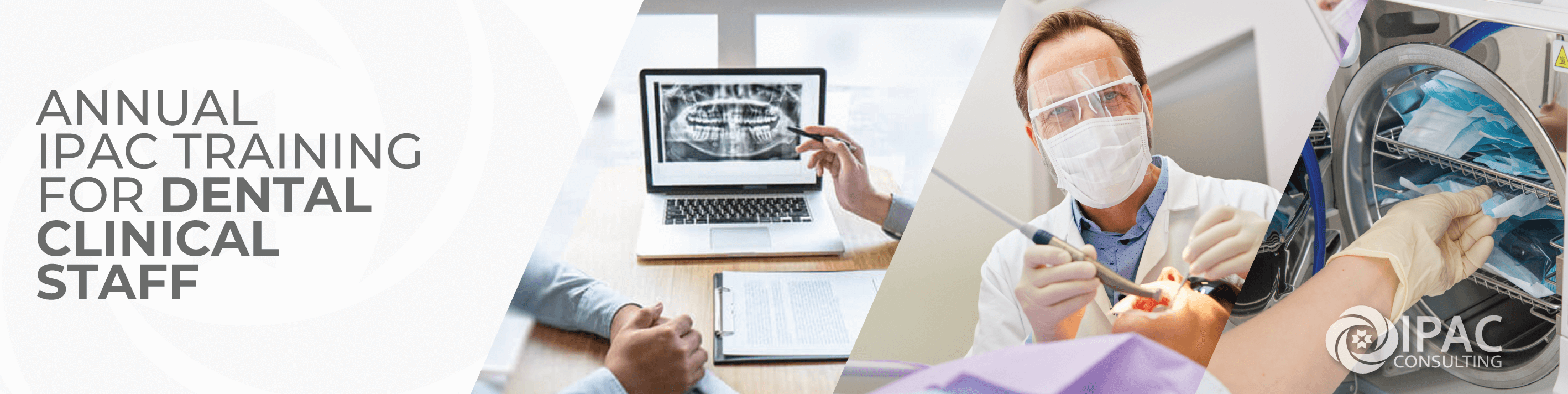
The Annual IPAC Training for Dental Clinical Staff online modules are specifically designed for dental teams, fulfilling infection control requirements and supporting workflows in the dental environment. Learn more here.
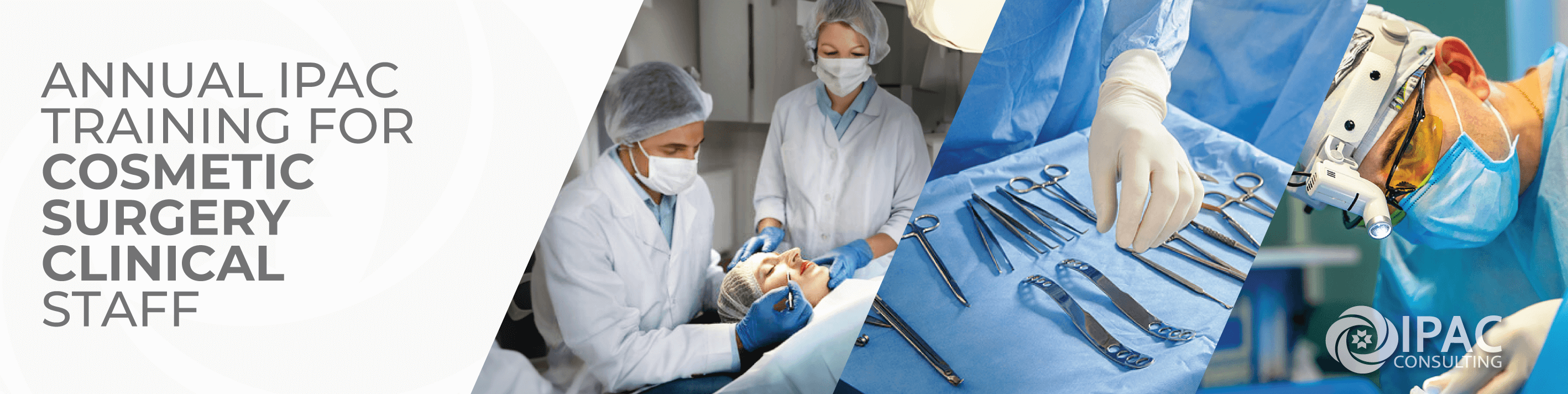
The Annual IPAC Training for Cosmetic Surgery Clinical Staff online modules are specifically designed for cosmetic surgery teams, satisfying infection control requirements and supporting infection control workflows. Learn more here.
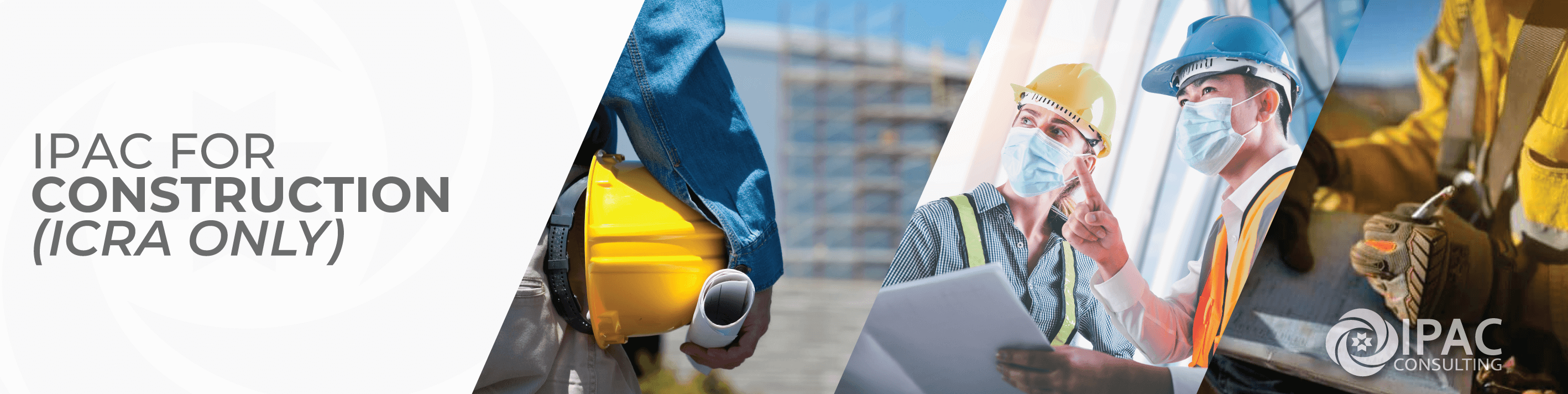
Our Infection Control Risk Assessment (ICRA) course covers ICRA processes using IPAC Consulting’s ICRA tool. Participants will learn IPAC measures for healthcare contractors, understand the ICRA process, and apply concepts through practical case scenarios. Learn more here.
We can’t wait for the exciting events ahead in 2025!
Hope to see you there—schedule a time with us!