




Avoid Non-Compliances: 5 Infection Control Mistakes You Might Be Making
(#3 Will Surprise You!)
By: Youhanna Salib | BSc, CIC
Inspections can be stressful, but failing one? That’s a setback no long-term care home wants to face. The truth is, even the most well-prepared facilities can overlook key infection control measures—putting residents at risk and opening the door to costly citations. Are you 100% sure your home is compliant? Before your next inspection, check these five often-missed mistakes
1) Is Your High-Touch Cleaning Properly Documented?
High-touch surfaces, such as doorknobs, bed rails, and light switches, can harbor harmful pathogens like norovirus. Even if your team disinfects these surfaces daily, failing to document the process could put your facility at risk for non-compliance. Ensure that all high-touch cleaning activities are documented, such as using a checklist that is signed and dated by your staff.
2) Is Your Outbreak Management Team (OMT) Meeting Regularly and Keeping Records?
During an outbreak, a well-coordinated response is critical. Your multi-disciplinary OMT should meet regularly to discuss and implement control measures. Keeping detailed meeting minutes serves as proof of compliance and ensures that action plans are clearly documented.
3) Are Laundry Staff Wearing PPE When Handling Soiled Linen?
It’s a common misconception that PPE is only required for visibly soiled linen or items from isolation rooms. However, best practices recommend that staff wear PPE when handling any non-clean linen from resident areas, as some pathogens can be shed asymptomatically. Make sure your team follows this crucial infection control measure.
4) Are Your Alcohol-Based Hand Rub (ABHR) Dispensers Up to Standard?
Outdated or improperly formulated hand sanitizers are a frequent reason for citations in long-term care homes. Regularly check your ABHR dispensers to ensure they contain at least 70% alcohol and have not expired. A quick routine check can help you avoid an easily preventable compliance issue.
5) Are Staff Actively Encouraging Resident Hand Hygiene?
Hand hygiene is a cornerstone of infection prevention, yet it’s often overlooked for residents. Staff should consistently remind and assist residents with handwashing, especially before meals and shared activities. Neglecting resident hand hygiene increases the risk of infections and can lead to compliance concerns.
Need help with compliance? Contact us today to schedule a consultation and keep your home up to regulations!

Would Your Construction Project Pass Its Next Inspection?
By: Jacob Whittock | BSc, PMP
Are you confident your healthcare construction project will pass inspection the first time? A single oversight in design or renovation can lead to compliance failures, costly rework, and serious infection risks. Without a proper Infection Control Risk Assessment (ICRA), your project could be at risk before it even begins.
The Problem: Hidden Risks in Healthcare Construction
Hospitals, long-term care homes, hospices, and retirement facilities require strict infection control measures to protect vulnerable patients and residents. Yet, too often, infection prevention and control (IPAC) is considered too late, leading to:
- Design flaws that inspectors frequently flag, often requiring expensive retrofits.
- Compliance failures that result in costly delays or shutdowns.
- Increased infection risks due to poor ventilation, inadequate isolation of the construction zone, or improper material choices.
If your project isn’t built with infection control in mind from day one, you’re setting yourself up for avoidable setbacks.
The Solution: Infection Control Risk Assessments (ICRA)
An Infection Control Risk Assessment (ICRA) ensures your facility is designed and built with safety and compliance at its core. Conducted before construction or renovation begins, an ICRA identifies potential risks, recommends effective controls during active construction, and ensures IPAC design elements are met before an inspector finds problems that require costly fixes.
How IPAC Consulting Helps You Stay Ahead
IPAC Consulting specializes in proactive infection control solutions for healthcare construction projects. Our expert team helps you:
- Assess Risks Early – Conduct an ICRA to identify infection hazards before construction begins.
- Review Drawings at Critical Stages of Design – ensuring compliance with IPAC standards before the final stages of design approval.
- Conduct Onsite Visits During Construction – Proactively identify and address infection control risks in real time, ensuring inspectors and regulatory bodies will find compliance gaps that could delay your project.
The Outcome: A Safe, Compliant, and Cost-Effective Project
With the right infection control measures in place from the start, you can:
Ensure patient and resident safety from day one.
Avoid unnecessary rework and budget overruns.
Pass inspections the first time.

Cosmetic Surgery Clinics: Are You Ready for Your Next Regulatory Inspection?
By: Lauren Lebre | BSc, MHSc
Safeguarding Your Clinic and Its Reputation with Strong IPAC Practices
Building a successful cosmetic surgery clinic takes more than just skilled procedures and a caring team. It requires trust, dedication, and a strong reputation—qualities you’ve worked hard to develop and protect over time. As you continue to provide excellent care, it’s easy to overlook one critical element: Infection Prevention and Control (IPAC) compliance. Yet, this is an area where many clinics face serious challenges.
Clinics undergoing regulatory inspections are often surprised by critical compliance gaps that may not have been apparent in day-to-day operations. These gaps can lead to failed inspections, noncompliance notices, and regulatory intervention. The consequences extend beyond technical oversights in areas like reprocessing or sterilization—they can directly impact patient safety, operational efficiency, and your clinic’s reputation.
Why Does Compliance Matter So Much?
Infection prevention and control (IPAC) is a fundamental aspect of maintaining a safe clinical environment and ensuring regulatory compliance in cosmetic surgery settings. Regulatory bodies, such as public health authorities and professional colleges, set strict standards for reprocessing, environmental cleaning, hand hygiene, and personal protective equipment (PPE) to minimize infection risks.
Despite best efforts, compliance gaps can occur due to:
- Operational oversights – Routine practices that may not fully align with evolving standards.
- Lack of documentation – Incomplete or outdated policies, logs, or training records.
- Workflow inconsistencies – Variability in staff adherence to infection control procedures.
A General Office Assessment (GOA) for Cosmetic Surgery Clinics provides an objective review of infection control practices to ensure alignment with best practices and industry standards. This type of assessment helps clinics identify potential risks before an official inspection, allowing for proactive improvements rather than reactive corrections.
After all, a failed inspection can result in:
- Mandatory corrective actions that may delay operations.
- Temporary clinic closures until compliance is met.
- Reputational damage that may impact patient trust.
By integrating ongoing monitoring, staff training, and documented infection control protocols, clinics can maintain compliance readiness and reduce the risk of unforeseen deficiencies.
How IPAC Consulting Can Support Your Clinic
To assist clinics in maintaining compliance and readiness for inspection, IPAC Consulting offers the General Office Assessment (GOA) for Cosmetic Surgery Clinics. This assessment is designed to:
- Identify key compliance risks that may go unnoticed.
- Evaluate infection control protocols against regulatory standards.
- Provide actionable recommendations to address potential gaps before an inspection occurs.
This proactive approach helps ensure that your clinic not only meets regulatory expectations but also upholds the highest standards of patient safety and infection control. Maintaining compliance is an ongoing process, and a well-structured infection control program supports both patient trust and clinic success.
Your patients trust you to provide safe, high-quality care—by prioritizing strong IPAC practices, you can continue to uphold that trust and safeguard your clinic’s reputation for years to come

Is Your Dental Clinic Ready for a Health & Safety Inspection?
By: Renee Robinson | CRSP
Running a dental clinic is about more than just providing great patient care—it’s about ensuring your practice thrives in every way. From your team’s safety to your clinic’s reputation, every aspect needs to be protected. That’s where we come in.
At IPAC Consulting, we’re experts in both Infection Control and Health and Safety compliance. We take the worry out of regulatory requirements and help safeguard your clinic from risks that could harm your business. With us on your side, you can focus on delivering exceptional care to your patients, knowing your clinic is fully protected.
Health and safety inspections by provincial and federal regulatory bodies are more than just a formality—they are often unannounced visits that could lead to serious consequences if your clinic isn’t fully compliant. Are you confident your clinic is prepared to pass an inspection with flying colors?
Common Compliance Issues Identified in Inspections
Regulatory inspectors frequently identify the following violations in dental clinics:
1. Inadequate Health & Safety Policies
Employers are required to establish and implement clear health and safety policies to protect workers from hazards. These policies must outline responsibilities, procedures for reporting hazards, and steps to prevent workplace injuries and illnesses.
2. Lack of Health & Safety Representation
Workplaces with a certain number of employees are typically required to have either a health and safety representative or a health and safety committee, depending on local labor laws. These representatives help ensure compliance with safety regulations and promote a safe working environment.
3. Missing Regular Workplace Inspections
Routine workplace inspections help identify hazards before they cause harm. Employers must ensure inspections are conducted and documented as part of their safety program to maintain compliance and protect staff.
4. Required Postings Not Displayed
Employers must display certain health and safety information in the workplace, such as applicable labor laws, workplace violence and harassment policies, and contact details for the health and safety representatives. Failure to post these materials can result in compliance violations.
5. Lack of Risk Assessment & Controls
Employers are required to assess potential hazards in the workplace and implement appropriate controls to reduce risks. This includes identifying physical, chemical, biological, and ergonomic hazards and applying preventive measures such as engineering controls, administrative policies, and personal protective equipment (PPE).
Let IPAC Consulting Be Your Solution
Schedule a FREE Consultation with us today! Our health and safety experts can assess your clinic’s specific needs, evaluate your current compliance status, identify potential risks, and outline a plan to ensure you meet all regulatory requirements.
Get a Custom Compliance Plan
We offer tailored solutions, including health and safety gap audits, violence risk assessments, policy manuals, health and safety poster templates, and staff training—ensuring your clinic stays fully compliant with industry regulations.
Stay Inspection Ready! With our proactive approach, you’ll have the tools and expert guidance needed to confidently handle inspections, audits, and regulatory changes—helping you maintain compliance and avoid costly penalties.
Introducing:
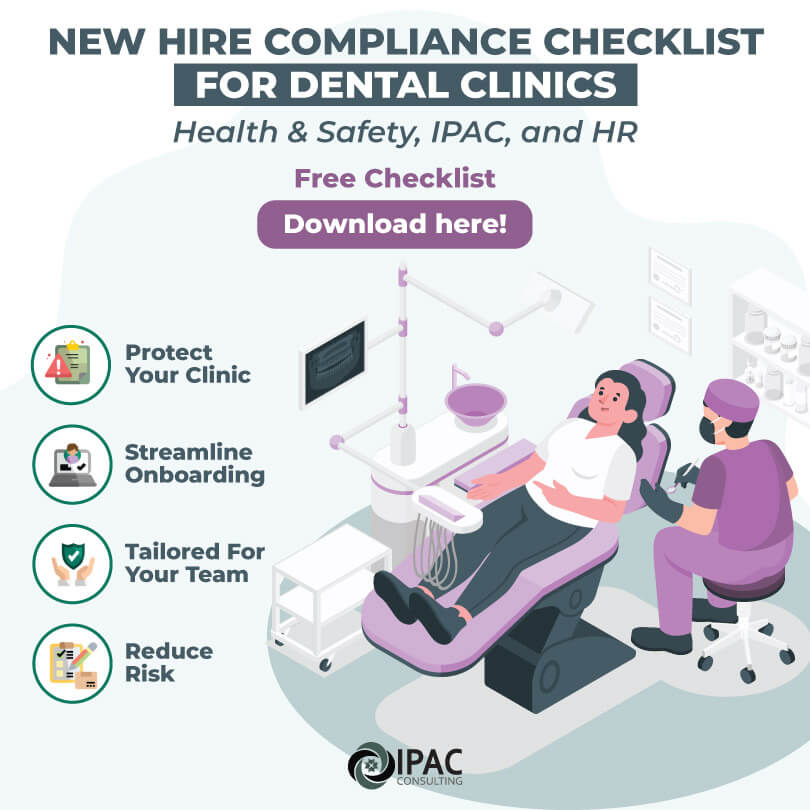
New Hire Compliance Checklist for Dentistry!
Let us take the guesswork out of onboarding with our New Hire Compliance Checklist – a ready-to-use tool that ensures your dental team meets all regulatory requirements.
Want to see how it works?
Get a free sample new hire checklist tailored for dental clinics.

Our expert consultants have designed top-quality products and services for you!
Meeting complex regulatory requirements can feel overwhelming, but our streamlined 4-Phase IPAC Compliance Program is designed to simplify the process and ensure the success of your infection control program. With year-long support, we guide your facility every step of the way. Learn more here!
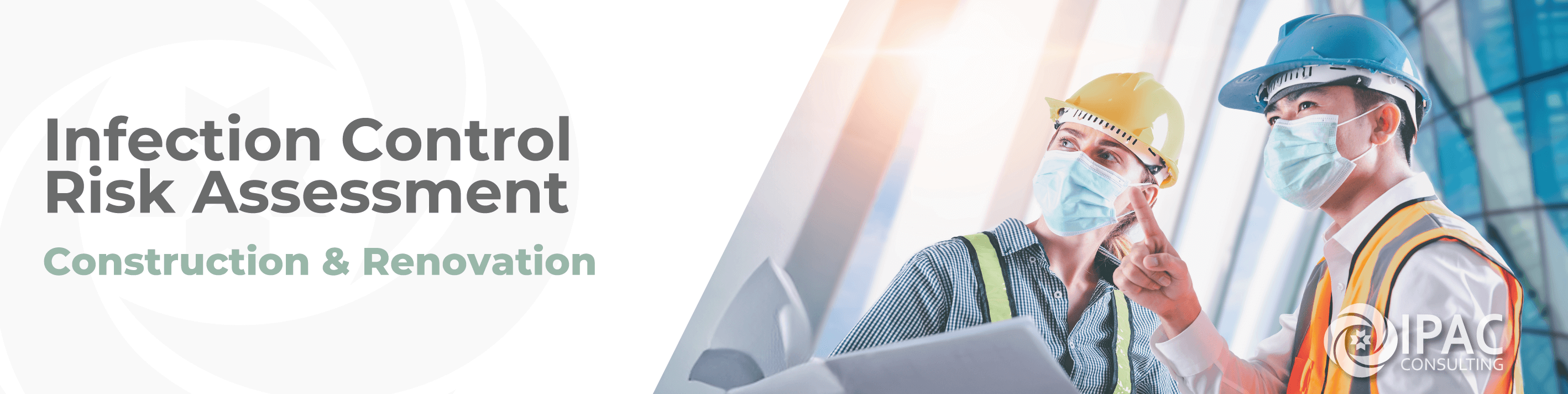
Our Our Infection Control Risk Assessment helps you stay ahead by proactively managing infection risks and ensuring Ministry due diligence in your construction and renovation projects. From schematic design to development, our experts work with your team to identify and mitigate infection control risks early, providing the expertise needed for a successful project. Our Design Phase ICRA Consultation goes beyond industry standards—it ensures compliance with Ministry expectations while prioritizing patient safety. Learn more here!

With our Personalized IPAC Policy & Procedure Manual for Dental Offices, you’ll stay aligned with governing body standards effortlessly. Enjoy a hard-copy manual and an online version that updates in real time—compliance has never been simpler for the dental industry! Learn more here!
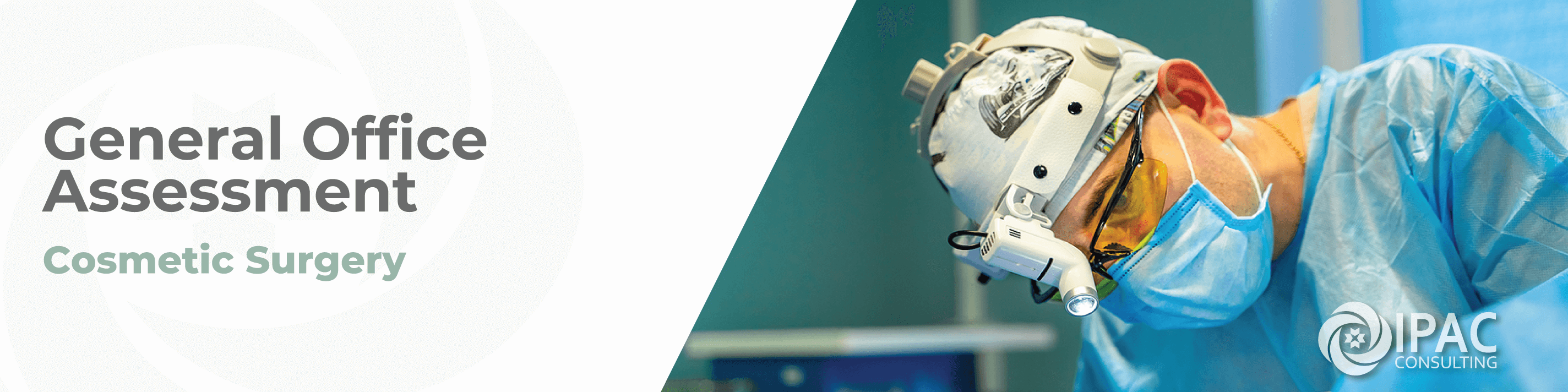
Ensure your cosmetic surgery clinic is meeting the highest infection control standards with our General Office Assessment. Led by a certified IPAC Consultant, this service audits your policies, procedures, training, and physical spaces, providing a thorough analysis and actionable recommendations for improvement. Learn more here!