



Environmental Services (EVS) and Clostridioides difficile: Breaking the Chain of Transmission
By: Stephanie Cini
As the Director of Consulting Services at IPAC Consulting, I’ve had numerous conversations with our clients and consultants about the unique challenges healthcare facilities face in combating Clostridioides difficile (C. difficile).
This past year at IPAC Consulting, we focused heavily on our IPAC Champions program, working closely with specific departments to address common infection control challenges within their home.
With C. difficile outbreaks in particular, our collaboration with EVS departments we saw tangible results in reducing outbreaks. By working together with EVS teams and implementing focused interventions, we’ve seen real changes. Infection rates have dropped significantly, and facilities feel safer for both patients and staff. It’s incredible what a culture of accountability and teamwork can achieve.
Environmental Services teams are at the frontline of infection prevention when it comes to C. difficile. This bacterium is notorious for its resilience, with spores that can survive on surfaces for months. Cleaning and disinfection aren’t just routine tasks—they’re critical interventions in breaking the chain of transmission.
Through our work this year, we’ve observed that small, targeted changes in EVS protocols can make a significant impact. For example, we’ve helped facilities focus on:
- High-Touch Surfaces: Ensuring thorough cleaning of frequently touched areas, such as light switches, bed rails, and doorknobs.
- Appropriate Disinfectants: Using products proven to eliminate C. difficile spores and ensuring staff follow proper contact times.
- Training and Accountability: Empowering EVS staff with education on best practices and encouraging collaboration with other departments to share responsibility for infection control.
As we move forward, our goal is to continue strengthening partnerships with EVS teams.
Together, we can implement sustainable practices that not only respond to outbreaks but also prevent them altogether. At IPAC Consulting, we remain dedicated to supporting our clients in creating safer healthcare environments.

Building a Bridge: Education in Construction and Infection Control
By: Stephanie Cini
As someone who has spent years immersed in the intersection of infection prevention and construction, I’ve seen firsthand how critical education is in fostering collaboration between these two worlds. Whether you’re a construction professional working in a healthcare environment or an IPAC Lead overseeing a project, investing in specialized education and certification can transform how we approach these spaces.
For constructors, healthcare can feel like a maze of rules and regulations. Terms like “negative pressure rooms,” “HEPA filtration,” and “clean-to-dirty workflow” might not come up in other sectors but are vital in healthcare. A certificate in healthcare construction provides the tools to navigate these complexities, ensuring projects are not only code-compliant but also designed to protect patients, staff, and visitors. It’s about understanding the “why” behind infection control measures, so you’re not just building a space—you’re building safety into every corner.
On the flip side, IPAC professionals entering construction projects often face challenges in translating healthcare priorities into actionable steps on a job site. Understanding timelines, construction processes, and material constraints allows IPAC Leads to align infection prevention goals with the realities of construction. Training in healthcare construction isn’t just helpful; it’s essential for ensuring infection control isn’t an afterthought but a cornerstone of every decision.
The benefits of this shared knowledge go beyond the project itself. Educated teams are more efficient, more collaborative, and better equipped to respond to challenges. An IPAC Certification Course in Construction shows a commitment to excellence, whether you’re building a new wing in a hospital or retrofitting a clinic.
At IPAC Consulting, we’ve seen how these investments pay off—not just in better outcomes for patients, residents and staff but also in stronger partnerships between IPAC teams and construction crews. After all, every successful project starts with a strong foundation—and in healthcare construction, that foundation is built on knowledge.

IPAC Practices and Reprocessing: A New Year’s Resolution for Patient Safety
By: Lauren Lebre | BSc, MHSc
As an IPAC Consultant specializing in cosmetic surgical spaces, I see the start of the new year as an opportunity for clinics to evaluate and enhance their IPAC practices. One area that often requires specialized attention is the proper reprocessing of medical instruments. This often-overlooked but crucial process plays a critical role in keeping clients safe—ensuring that instruments are cleaned, sterilized, packaged, and labeled to the highest standards. Neglecting these steps can lead to healthcare-associated infections (HAIs), compromising both the safety and well-being of clients and putting the clinic’s reputation at risk.
A Wake-Up Call: Learning from a Recent IPAC Lapse
A recent case in Ontario serves as a stark reminder of the critical importance of infection prevention and control (IPAC) practices. In 2022, an investigation revealed serious deficiencies in reprocessing procedures at a local cosmetic surgery clinic. Instruments were not being sterilized according to regulations, and significant issues with packaging and labeling compliance were identified. The consequences? Clients were exposed and placed at potential risk of infection.
This incident underscores an uncomfortable truth: even seemingly minor lapses in IPAC protocols can have serious consequences. In response to the investigation, the clinic took decisive action—implementing staff retraining, overhauling sterilization processes, and reinforcing the importance of proper reprocessing.
It was a wake-up call but also a pivotal moment, emphasizing the necessity of ongoing vigilance. This includes regular audits, comprehensive IPAC training, and robust quality assurance measures. These steps are not just best practices—they are essential to maintaining client safety and trust in cosmetic surgical spaces.
Moving Ahead: A New Year’s Commitment to Stronger IPAC Practices
As we look forward to 2025, now is the time for clinics to analyze their own infection control practices. With the fresh start of a new year, there’s no better moment to revisit and refine your IPAC protocols, particularly those related to the reprocessing of medical instruments. Routine staff training, accurate documentation, and a solid quality assurance system are key to reducing the risk of infections and ensuring the safest patient care possible.
By committing to these essential practices, cosmetic surgery clinics can not only protect their clients but also reinforce the trust that is critical between a client and the clinic providing their care. Proper reprocessing of medical instruments might sound simple, but it’s a small step that goes a long way in preventing infections, improving client safety, and safeguarding the clinic’s reputation.

Setting Yourself Up for Success in the New Year: Thriving with Dental Compliance
By: Jacob Whittock | BSc, PMP
As we enter the new year, dental practices face mounting pressures to stay compliant with infection prevention and control (IPAC) regulations, health and safety standards, and workplace policies. Navigating evolving guidelines, preparing for audits, and ensuring staff are thoroughly trained can feel overwhelming. Non-compliance isn’t just a risk to patient safety—it jeopardizes workplace health, opens the door to costly penalties, damages your reputation, and disrupts daily operations.
Enter IPAC Consulting, your trusted partner in navigating these complexities. Our comprehensive compliance program is designed specifically for dental practices, providing an A-Z solution that simplifies IPAC management. Whether you need assistance with practice audits, policy development, or hands-on staff training, we’ve got you covered. We understand that every dental practice is unique, so our tailored approach ensures you receive the support you need to meet—and exceed—regulatory requirements.
At the heart of our Comprehensive Compliance Program are detailed practice audits, office assessments and staff education that streamline processes as well as empower your team to stay on track. These tools not only enhance day-to-day operations but also foster a culture of accountability and continuous improvement. With our guidance, you’ll have the confidence that your practice is always audit-ready and prioritizing the highest standards of patient care.
This January, make compliance a cornerstone of your success strategy. By partnering with IPAC Consulting, you’ll gain access to industry-leading expertise and resources that remove the guesswork from infection control. Take the first step toward a more efficient, compliant, and thriving dental practice in 2025. Contact us today to learn how we can help you start the year on the right note.
Set yourself up for success—because thriving starts with compliance.
LTC-CIP
PREP-COURSE
January 24-2025
Get ready for your LTC-CIP Board Exam with us! Want to be certified by April 2025 and advance your career? We’re ready to support you in your professional development.
Our course includes:
Real-world case studies
Interactive live discussions
Practice tests for readiness
Advanced IPAC concepts for LTC
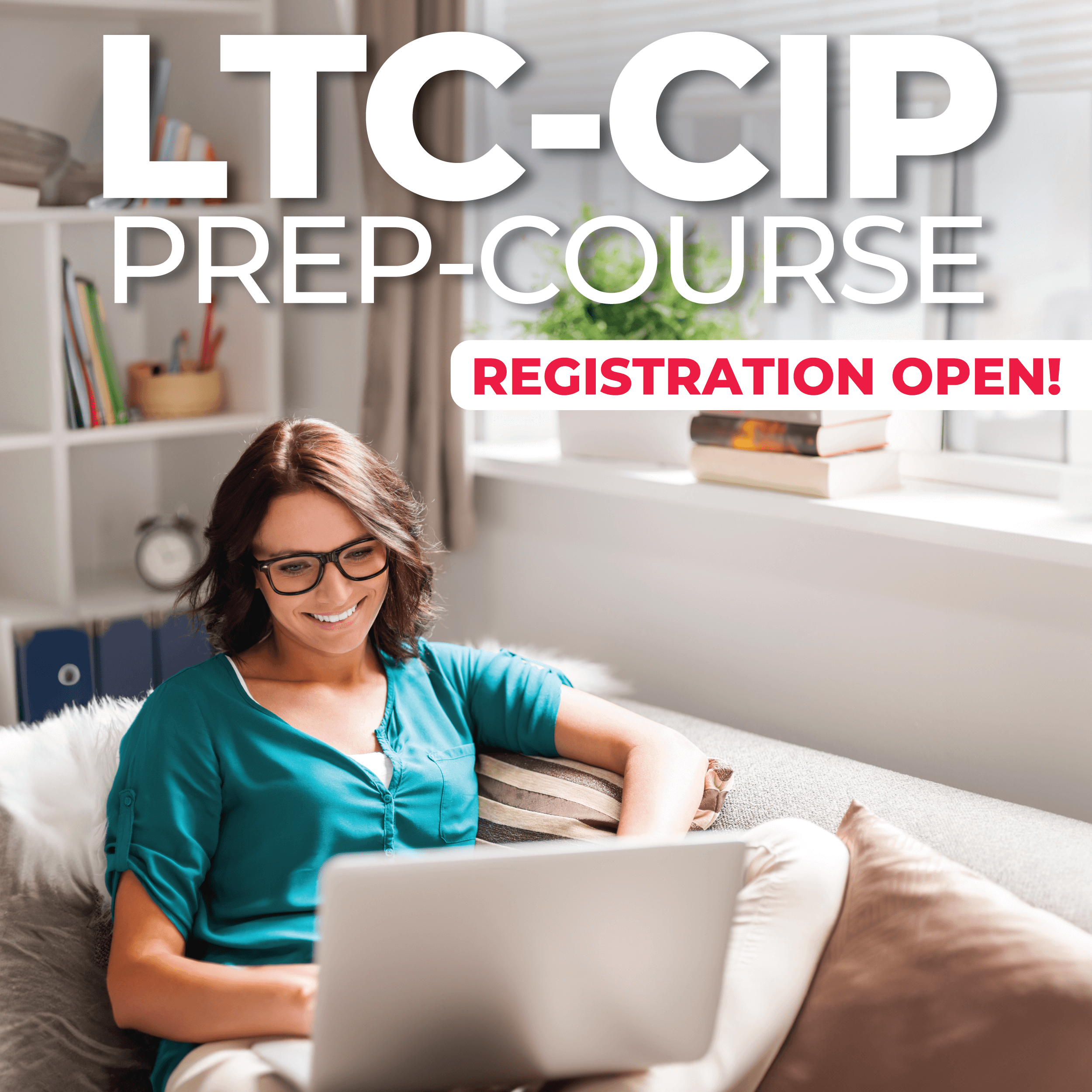

Our expert consultants have designed top-quality courses to boost your career. Register now and learn from those who transform leaders!
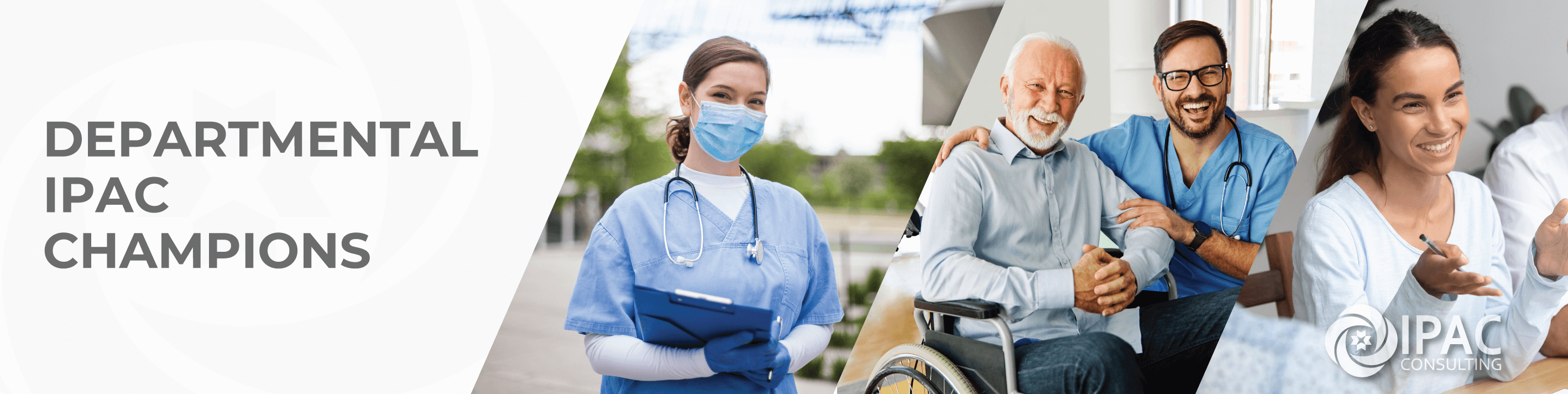
The Departmental IPAC Champions In-Person Training Program is designed to enhance infection prevention in your long-term care facility. This tailored, hands-on initiative equips staff to lead a culture of safety through live audits and practical education on risk assessment, routine practices, hand hygiene, PPE use, environmental cleaning, and surveillance methods. Learn more here.

Our Live Virtual IPAC in Construction Course equips your team with the expertise to identify, address, and prevent infection risks in healthcare construction projects. Designed to simplify compliance with the CSA standard and ensure patient safety, this interactive course offers a practical approach to integrating infection prevention into every phase of your project.This course is for construction teams and IPAC Leads in LTC, equipping them to maintain top infection control standards during construction. Learn more here.

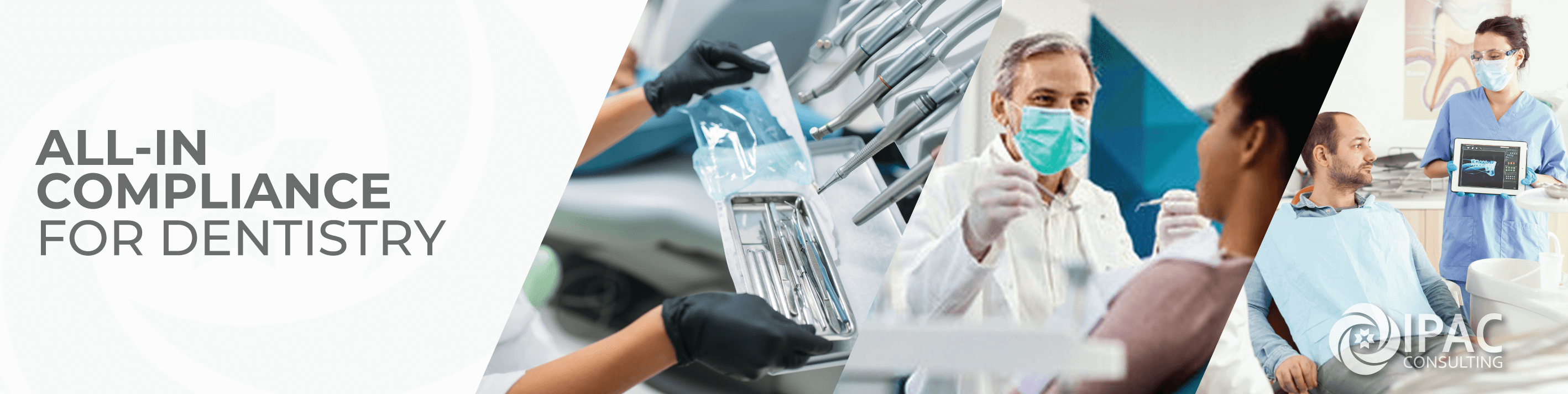
Managing your Infection Prevention and Control (IPAC) program can be overwhelming, but we’re here to help. Our All-in Compliance Package is a comprehensive solution designed to ensure your dental office meets all Ministry requirements and ensure patients and staff safety. Learn more here.
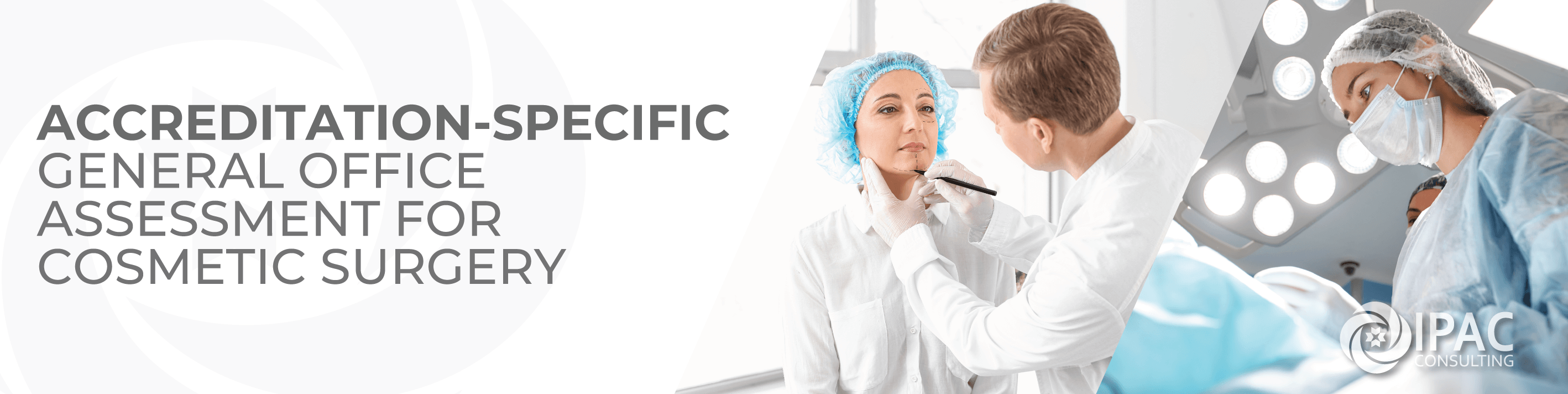
Our Accreditation-Specific General Office Assessment for Cosmetic Surgery Clinical Staff, led by a certified IPAC Consultant, evaluates your clinic’s policies, training, record-keeping, and infrastructure, including the sterilization center. Aligned with Public Health & Accreditation Standards, this service is the starting point to ensuring your clinic is ready for accreditation. Learn more here.