


From the IPAC Lead Desk: Finding a Solution to the Struggle
By: Kaitlyn Parker | LTC-CIP
As a former Infection Prevention and Control Lead in a Long-Term Care Home, I know firsthand the challenges that come with ensuring everything is running smoothly. I was constantly caught in the balancing act of staying on top of countless responsibilities. Ensuring the facility remained compliant in all aspects, monitoring resident symptoms, enforcing proper PPE usage, overseeing cleaning and sanitization throughout the home often felt like an endless game of catch-up. How could one person manage it all?
Well, I’ve found a solution to one of the biggest challenges I faced during my time as an IPAC lead, within the IPAC Champions In-Person Training Program
In my experience as an IPAC Lead and now as an IPAC Consultant, I have seen firsthand the positive impact that IPAC Champions have on infection prevention and control efforts. During the audits I conduct, it’s clear that having dedicated champions in place is not only beneficial but essential for reinforcing best practices across teams. I am grateful to see that this approach is proving effective for IPAC Leads, and I am encouraged by the progress I observe in the field.
The continued success of IPAC Champions In-Person Training Program highlights the growing recognition of their role in fostering a culture of safety and accountability within healthcare settings. By building a network of IPAC Champions within your team, you can ensure that infection control becomes a shared responsibility, with everyone empowered to make a difference. This approach not only lightens the load for IPAC leads but also fosters a culture of collaboration, accountability, and best practices across the home.
It’s not just about staying compliant, it’s about creating a safer, more proactive environment for residents and staff alike.

The True Cost of Ignoring IPAC in Healthcare Construction Projects
By: Stephanie Cini
Earlier this year, we worked with a healthcare clinic undergoing a major renovation. Unfortunately, they didn’t involve us—or any IPAC experts—during the design phase.
By the time we were brought in, a ministry inspection revealed serious gaps in their IPAC compliance. High-risk procedure rooms lacked proper air pressure controls, hand hygiene stations were poorly placed, and critical areas didn’t meet basic standards, among other issues.
The result? Construction was halted, plans had to be redesigned, and completed work was demolished, costing tens of thousands of dollars and causing weeks of delays. This situation was both expensive and entirely avoidable. Many organizations don’t realize that IPAC reviews are not optional but mandatory for healthcare construction projects.
When IPAC consultants are brought in too late, our role shifts from prevention to damage control, creating unnecessary costs and headaches that could have been avoided with early planning.
Contrast this with another project we supported this year: a long-term care facility engaged us at the design phase. We worked closely with architects and contractors to ensure ministry standards were met from the outset. Thanks to this proactive approach, they avoided what could have been a $200,000 ventilation redesign and stayed on schedule, opening their doors as planned.
The lesson is clear: engaging an IPAC consultant early saves you time, money, and stress. Beyond compliance, it ensures your facility is set up for safety and efficiency from day one.
As we wrap up 2024, let this be your takeaway: the earlier IPAC is involved, the better your outcomes. If you’re planning construction or renovations in 2025, don’t wait for problems to arise—reach out to us, and we’ll help you get it right the first time.
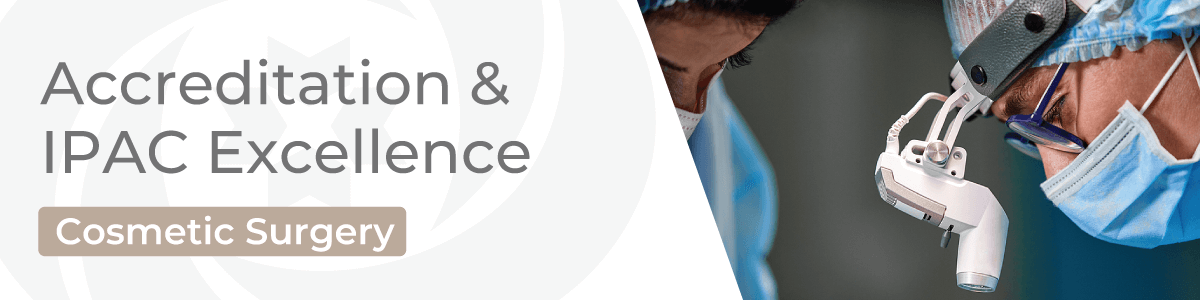
Accreditation & IPAC Excellence: Elevating Cosmetic Clinics to New Standards
By: Lauren Lebre | BSc, MHSc
The cosmetic surgery sector in Canada continues to grow rapidly, with clinics striving to meet increasing patient expectations for safety and quality care. At IPAC Consulting, we’ve been at the forefront of supporting cosmetic surgery and private medical clinics, helping them enhance IPAC compliance and achieve accreditation to stand out in a competitive market.
As demand for cosmetic procedures rises, so does the awareness of the need for robust infection prevention and control (IPAC) practices. Patients expect not only exceptional outcomes but also assurance that their care experience is safe and compliant. Clinics are recognizing the importance of addressing critical gaps, such as proper surgical equipment reprocessing, front-desk hygiene, and staff training, to ensure they meet these expectations.
Accreditation has become a key focus for many clinics, as it demonstrates a commitment to excellence and provides a competitive edge. It’s no longer just about compliance—it’s about instilling confidence in patients and standardizing care. Accreditation aligns seamlessly with strengthening IPAC practices, offering clinics a path to deliver consistent, high-quality care while building trust with their patients.
A crucial aspect of meeting these evolving demands is education. Continuous training ensures that staff remain knowledgeable and aligned with the College of Physicians and Surgeons of Ontario (CPSO) IPAC Standards. This not only helps clinics maintain compliance but also fosters a culture of safety and accountability that patients can rely on.
Supporting Clinics in a Shifting Landscape
As the market continues to evolve, we’re dedicated to helping clinics adapt to these rising demands. By addressing IPAC gaps, strengthening compliance, and guiding clinics through the accreditation process, IPAC Consulting provides the expertise and support needed to navigate this complex landscape.
With tailored solutions and a focus on practical, actionable improvements, we empower clinics to align their operations with the highest standards of safety and care. Whether it’s identifying hidden vulnerabilities, implementing robust compliance strategies, or preparing for accreditation, we’re here to help clinics achieve excellence in every aspect of their operations.
Let us help your clinic build trust, elevate patient care, and lead the way in safety and compliance.

Revolutionizing Dental Education Through E-Learning: A Designer’s Perspective
By: Elroy Damian Joseph
Reflecting on 2024, one thing is clear: dentists are turning to e-learning more than ever. The shift began out of necessity during the COVID-19 pandemic but has since evolved into a deliberate and preferred method of education. For busy professionals navigating demanding schedules and ever-changing compliance standards, e-learning offers a practical, flexible solution.
As an e-learning developer, I’ve seen firsthand how this shift has transformed dental education. Traditional workshops and seminars, while valuable, often create barriers like travel costs and scheduling conflicts. E-learning removes these obstacles, allowing dental professionals to access training anytime, anywhere. The demand for convenient, engaging, and compliance-focused learning has never been higher.
In 2024, my focus has been on designing courses tailored to the needs of dental teams. Each module addresses essential topics like risk assessments, hand hygiene, PPE protocols, and waste management. To keep learners engaged, I apply micro-learning principles, breaking complex topics into manageable segments. Interactive features like quizzes and simulations ensure the material is not just learned but applied in real-world practice.
One of the biggest trends I’ve noticed this year is a growing reliance on e-learning to support ongoing compliance. Dentists recognize that staying current isn’t just about meeting standards—it’s about fostering a culture of safety and professionalism within their clinics. E-learning platforms, with their 24/7 accessibility and progress-tracking tools, have become a critical resource for achieving this.
Looking ahead, the future of dental e-learning is bright. Emerging technologies like artificial intelligence (AI) and augmented reality (AR) hold incredible potential. AI can provide personalized feedback, while AR offers immersive, hands-on learning experiences. These tools promise to take e-learning to the next level, making it even more effective and engaging.
As we close out 2024, I’m proud to see how e-learning is revolutionizing dental education. It’s more than a convenience—it’s a powerful way to empower professionals, improve compliance, and advance patient care.
The Season of Giving is Here!
This holiday season, we’re sharing the gift of safety with our Essential Holiday IPAC & H&S Guides! Your ultimate resource for a safe and joyful celebration:
Ladder Safety Tips
Respiratory Protection
Fire Prevention Essentials
Holiday Food Safety
Ice Safety Guidelines
Stomach Flu Prevention
Get your FREE guides now and ensure a safe holiday season!


Our expert consultants have designed top-quality courses to boost your career. Register now and learn from those who transform leaders!
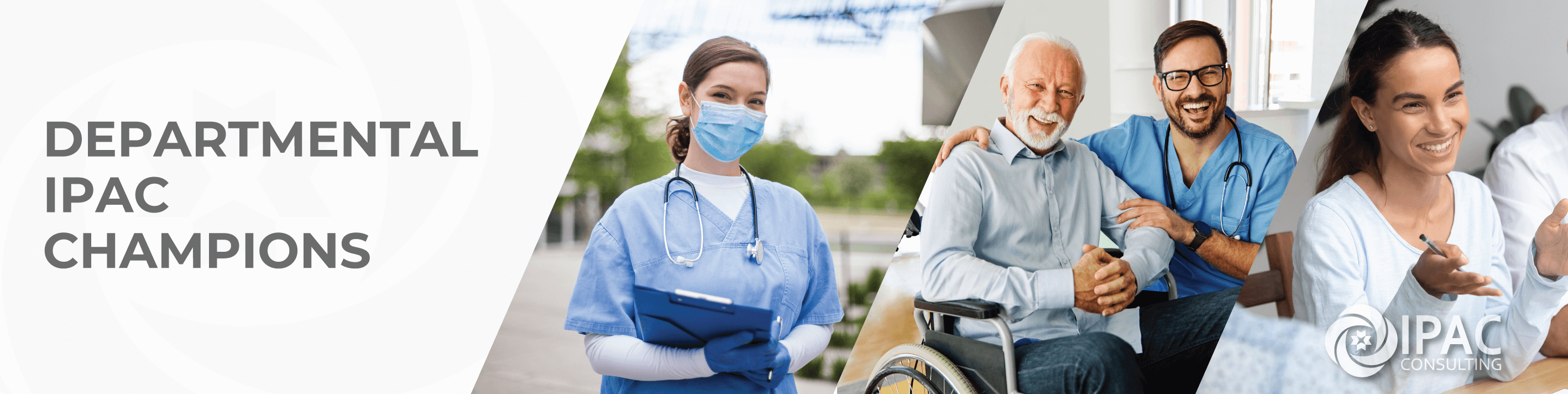
The Departmental IPAC Champions In-Person Training Program is designed to enhance infection prevention in your long-term care facility. This tailored, hands-on initiative equips staff to lead a culture of safety through live audits and practical education on risk assessment, routine practices, hand hygiene, PPE use, environmental cleaning, and surveillance methods. Learn more here.
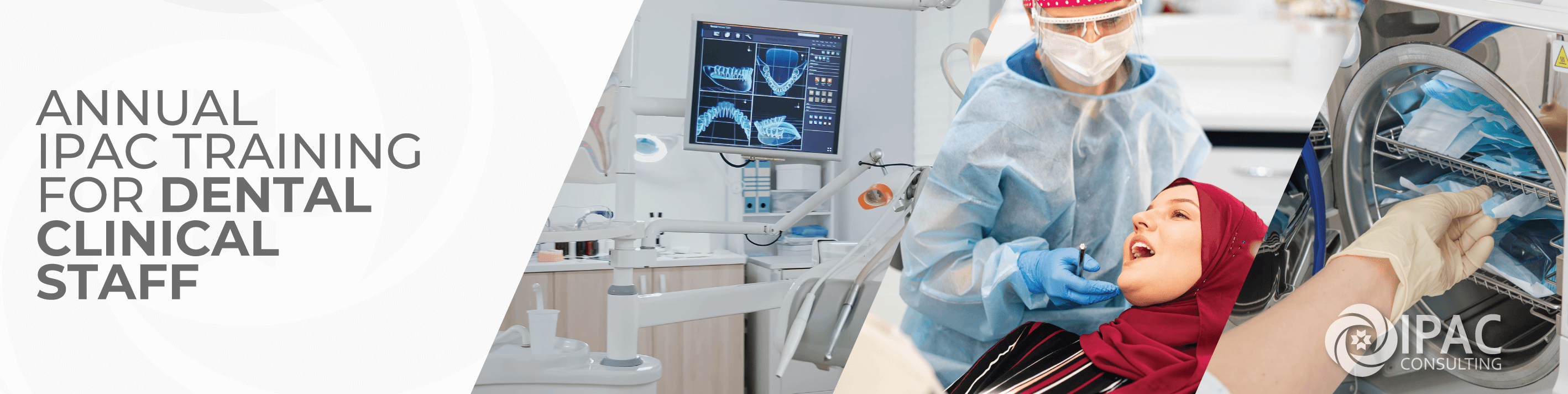
IPAC Consulting is a PACE-approved provider, and this course is approved by the ODA for CE credits!
The Annual IPAC Training for Dental Clinical Staff online modules are specifically designed for dental teams, fulfilling infection control requirements and supporting workflows in the dental environment. Participants will also earn 5.5 CE credits upon completion. Learn more here.

Our Accreditation-Specific General Office Assessment for Cosmetic Surgery Clinical Staff, led by a certified IPAC Consultant, evaluates your clinic’s policies, training, record-keeping, and infrastructure, including the sterilization center. Aligned with Public Health Inspection checklists, this service ensures your clinic meets the highest infection prevention standards with expert guidance. Learn more here.
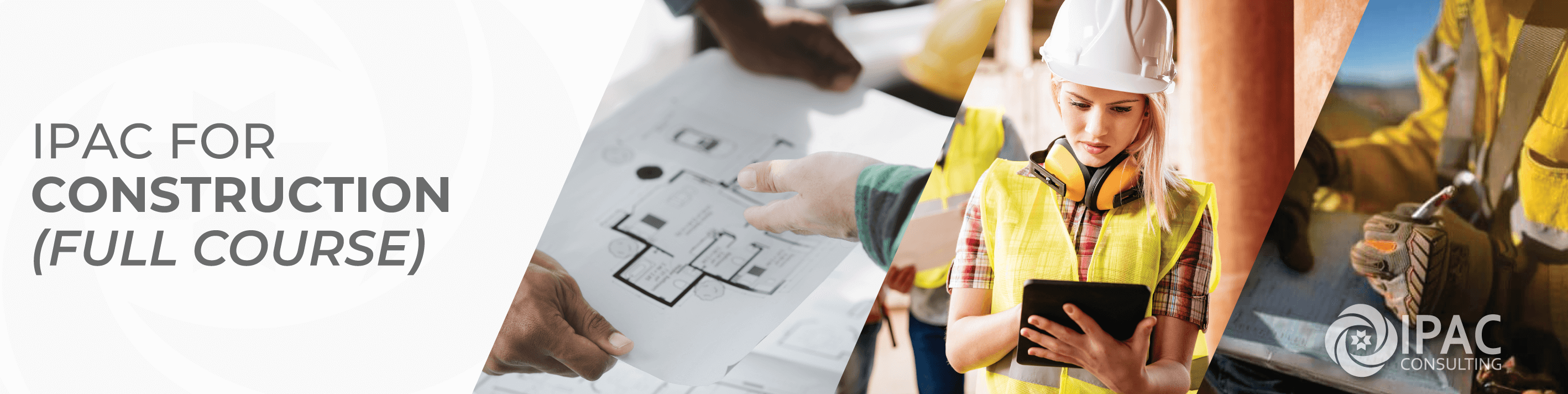
Our Infection Control Risk Assessment (ICRA) course covers ICRA processes using IPAC Consulting’s ICRA tool. Participants will learn IPAC measures for healthcare contractors, understand the ICRA process, and apply concepts through practical case scenarios. Learn more here.
Happy New Year 2025!
We’re excited to continue supporting all your infection control, safety, and health needs in the year ahead. Thank you for trusting our expertise—here’s to a safe and prosperous 2025!