
A Dental IPAC Walk: A Simple Way to Strengthen Infection Control Before World Hand Hygiene Day

The goal is not to catch staff doing something wrong. The goal is to look at the workflow with fresh eyes and identify where small adjustments could make the right practice easier.
World Hand Hygiene Day is a good reminder that infection prevention is not just about knowing what to do. It is about making sure the environment, workflow, supplies, and daily habits all support the right practice in real time.
In dental settings, hand hygiene is essential. It protects patients, providers, and the entire clinical team. But hand hygiene does not happen in isolation. It is connected to how treatment rooms are set up, how instruments move through reprocessing, how PPE is accessed, how clean supplies are handled, and how staff move between patient care, cleaning, documentation, and sterilization tasks.
That is why a simple Dental IPAC Walk can be a helpful activity leading into World Hand Hygiene Day.
A Dental IPAC Walk is not meant to replace a formal IPAC audit. A formal audit is a structured review against standards, with documentation, findings, and follow-up actions. A Dental IPAC Walk is more informal. It is a short, practical walkthrough that helps a team pause, observe their environment, and ask whether the space supports safe and consistent practice.
The goal is not to catch staff doing something wrong. The goal is to look at the workflow with fresh eyes and identify where small adjustments could make the right practice easier.
What is a Dental IPAC Walk?
A Dental IPAC Walk is a brief, team-based walkthrough of the clinical and reprocessing areas. It can be led by the dentist, office manager, IPAC lead, or another team member familiar with the practice’s infection prevention responsibilities.
Unlike a formal audit, the walk does not need to include scoring or a lengthy report. It is more of a practical learning activity. The team walks through the space, notices how care actually happens during a busy day, and identifies simple opportunities to improve clarity, flow, or access to supplies.
In many dental practices, infection control gaps are not caused by a lack of care or effort. They often happen because teams are moving quickly, rooms are tight, supplies are stored in less-than-ideal places, or clean and contaminated tasks happen close together.
A Dental IPAC Walk gives the team a chance to step back and ask:
Does our setup make safe practice easy?
Start with hand hygiene
Since World Hand Hygiene Day is the starting point, hand hygiene is a natural place to begin.
During the walk, look at whether hand hygiene products are easy to access in the areas where care is being provided. Consider whether staff can perform hand hygiene at the right moments, including before patient care, after patient care, after glove removal, and before touching clean supplies.
This is also a good opportunity to talk about glove use. In dental settings, gloves are worn frequently, but they do not replace hand hygiene. Hand hygiene is still needed before putting gloves on and after removing them. If the flow of the room makes those moments difficult, that is worth discussing as a team.
Look at the treatment room flow
A policy may clearly state that clean and contaminated items must be separated, but the actual room setup may make that harder than expected.
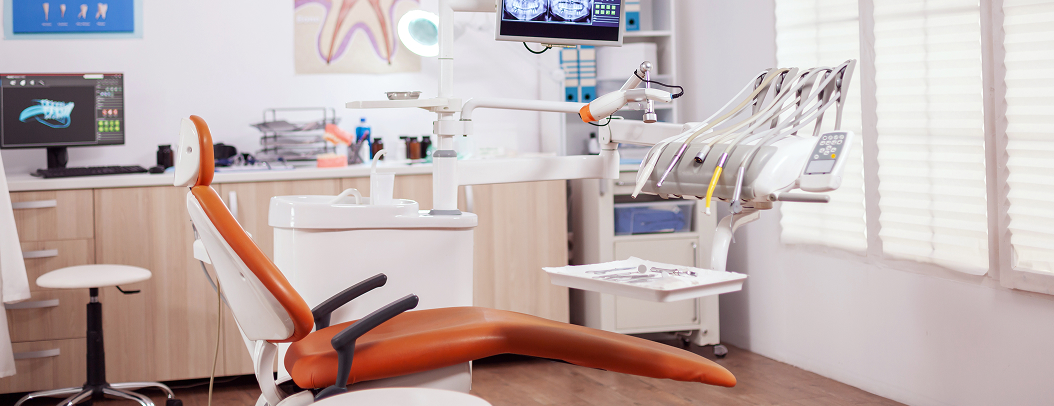
Next, walk through a treatment room as if a regular appointment is taking place. Consider where clean supplies are stored, where contaminated items are placed, how barriers and disinfectants are accessed, and whether clinical contact surfaces can be cleaned and disinfected properly between patients.
This part of the walk is useful because it connects infection prevention expectations to the real layout of the room. A policy may clearly state that clean and contaminated items must be separated, but the actual room setup may make that harder than expected. If staff need to reach into clean storage with contaminated gloves, or if used instruments are placed too close to clean supplies, the issue may be more about workflow than knowledge.
A Dental IPAC Walk helps identify those practical barriers in a supportive way.
Review reprocessing flow
Reprocessing is another important area to include. The team should look at whether instruments move in a clear one-way direction from dirty to clean to sterile.
The purpose is not to complete a full reprocessing audit during the walk. Instead, it is to observe whether the physical space supports the intended flow. Contaminated instruments should not move backward in the process, and clean or sterile items should be protected from contamination.
This may lead to simple improvements, such as clearer labeling, better separation of zones, relocating supplies, or reviewing how instruments are transported and stored. Small workflow changes can make a significant difference in reducing confusion and supporting consistent practice.
Check PPE, MIFUs, and documentation access
PPE should also be part of the walkthrough. The team can look at whether PPE is available where it is needed, whether staff have the right PPE for patient care and reprocessing tasks, and whether there is a clear process for removing and disposing of PPE before moving into cleaner areas.
The walk can also include a quick look at Manufacturer Instructions for Use, or MIFUs. Staff should know where to find instructions for instruments, equipment, sterilizers, disinfectants, and reprocessing products. Documentation systems should also be easy to access and maintain, including sterilizer logs, indicator records, maintenance documentation, and cleaning records where applicable.
Again, the point is not to complete a formal compliance review during this activity. The point is to ask whether the systems are easy for staff to use correctly during a normal clinical day.
Keep the tone educational
If it feels like a shared learning activity, staff are more likely to participate honestly and identify where the process could be improved.
The value of a Dental IPAC Walk comes from how it is approached. If it feels like an inspection, staff may become defensive or anxious. If it feels like a shared learning activity, staff are more likely to participate honestly and identify where the process could be improved.
A helpful approach is to ask practical questions:
- What part of this process feels unclear?
- Where do we feel rushed?
- Are supplies easy to access?
- Is there anywhere clean and contaminated flow could become confusing?
- What would make the correct process easier?
These questions invite staff into the conversation. They also recognize that the people doing the work every day often have the clearest understanding of where the process breaks down.
Why this matters before World Hand Hygiene Day
World Hand Hygiene Day is a strong reminder to revisit the basics, but in dental care, the basics are connected to the entire clinical flow. Hand hygiene connects to glove use, glove use connects to clean supply handling, clean supply handling connects to room setup, and room setup connects to environmental cleaning and reprocessing.
That is why a Dental IPAC Walk can be useful. It moves the conversation beyond “remember to wash your hands” and helps the team look at the systems that either support or interfere with good infection prevention practice.
How to run a simple Dental IPAC Walk
Set aside 20 to 30 minutes and choose one or two people to lead the walkthrough. Focus on one treatment room, the reprocessing area, and any key storage areas. Keep the process simple. Take notes on what is working well and identify a few practical improvements to follow up on.
The outcome does not need to be a long report. It may be as simple as moving alcohol-based hand rub closer to the point of care, labeling reprocessing zones more clearly, reviewing disinfectant contact times, relocating clean supplies, or reminding the team about hand hygiene after glove removal.
The bottom line
A Dental IPAC Walk is not a replacement for a formal IPAC audit. It is a practical, low-pressure way to look at how infection prevention happens during the real workday.
As World Hand Hygiene Day approaches, dental teams can use this as an opportunity to pause, walk through their space, and ask whether their environment supports safe, consistent practice.
The goal is not to blame staff or create more paperwork. The goal is to make the safest practice the easiest practice.
In dental care, strong infection prevention is built into the everyday moments that happen before, during, and after each patient visit.